


10 Jun Precision Manufacturing: A&D
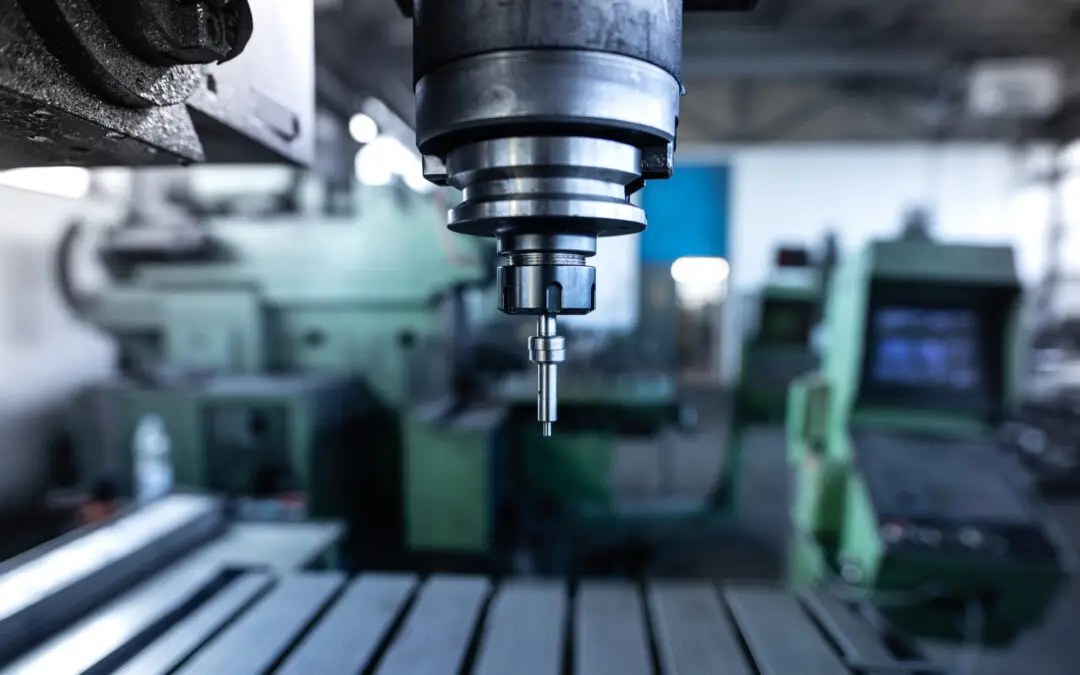
India’s Aerospace and Defence sector is undergoing a transformation, driven by increasing indigenisation efforts, government initiatives, and a growing domestic market. At the heart of this revolution is precision component manufacturing, a crucial industry enabling the production of high-quality, reliable, and advanced systems. Companies like Bharat Forge, Tata Advanced Systems, L&T Defence, AEQUS, SOLAR GROUP, Mahindra Aerospace, etc, are making significant investments in precision manufacturing, leveraging cutting-edge technologies such as CNC machining, additive manufacturing, and advanced materials.
The Role of Precision Manufacturing in Aerospace & Defence
Precision manufacturing is essential for the A&D sector, where components must meet stringent tolerances and performance criteria. This includes critical parts such as turbine blades, landing gear components, engine casings, avionics hardware, etc. India has developed expertise in this space, with firms providing precision components to domestic and global OEMs.
Government initiatives like Make in India and the Defence Procurement Policy (DPP) have provided an impetus for domestic manufacturers to scale up their capabilities. Additionally, collaborations with global giants such as Boeing, Airbus, Lockheed Martin, Dassault Aviation, Honeywell, Collins Aerospace, etc, have facilitated the transfer of technology and best practices, further enhancing India’s manufacturing prowess.
Despite these advancements, challenges remain. The industry still faces issues related to raw material supply chains, certification processes, and achieving economies of scale. However, with continued investment in R&D, workforce training, and infrastructure, India’s precision component manufacturing industry is poised to play a leading role in the aerospace and defence revolution.
Quality Control – The Most Important Component of Aerospace & Defence Production?
In the Aerospace & Defence sector, where safety and reliability are paramount, quality control is arguably the most critical component of the manufacturing process. Even the smallest defect in a component can lead to catastrophic failures, making rigorous quality assurance essential.
1. Safety Compliance: Aerospace and defence products must adhere to stringent international safety standards such as AS9100 and ISO 9001.
2. Reliability: Aircraft, missiles, and defence equipment operate in extreme conditions. Ensuring their reliability through rigorous quality checks is non-negotiable.
3. Regulatory Requirements: Defence contracts often involve strict compliance measures, and failure to meet them can result in project cancellations and legal consequences.
4. Reputation and Market Access: Companies with a proven track record of high-quality production gain the trust of global players, opening doors for international contracts and collaborations.
How Indian Companies are Addressing Quality Control?
1. Advanced Testing Facilities: Many Indian manufacturers have established world-class testing laboratories equipped with non-destructive testing (NDT), thermal imaging, and fatigue testing.
2. Adoption of Industry 4.0: Digital twin technology, AI-driven predictive maintenance, and real-time monitoring systems are improving quality control processes in Indian manufacturing.
3. Global Certifications: Companies are increasingly obtaining internationally recognized certifications to compete with established players in the aerospace and defence supply chain.

No Comments